
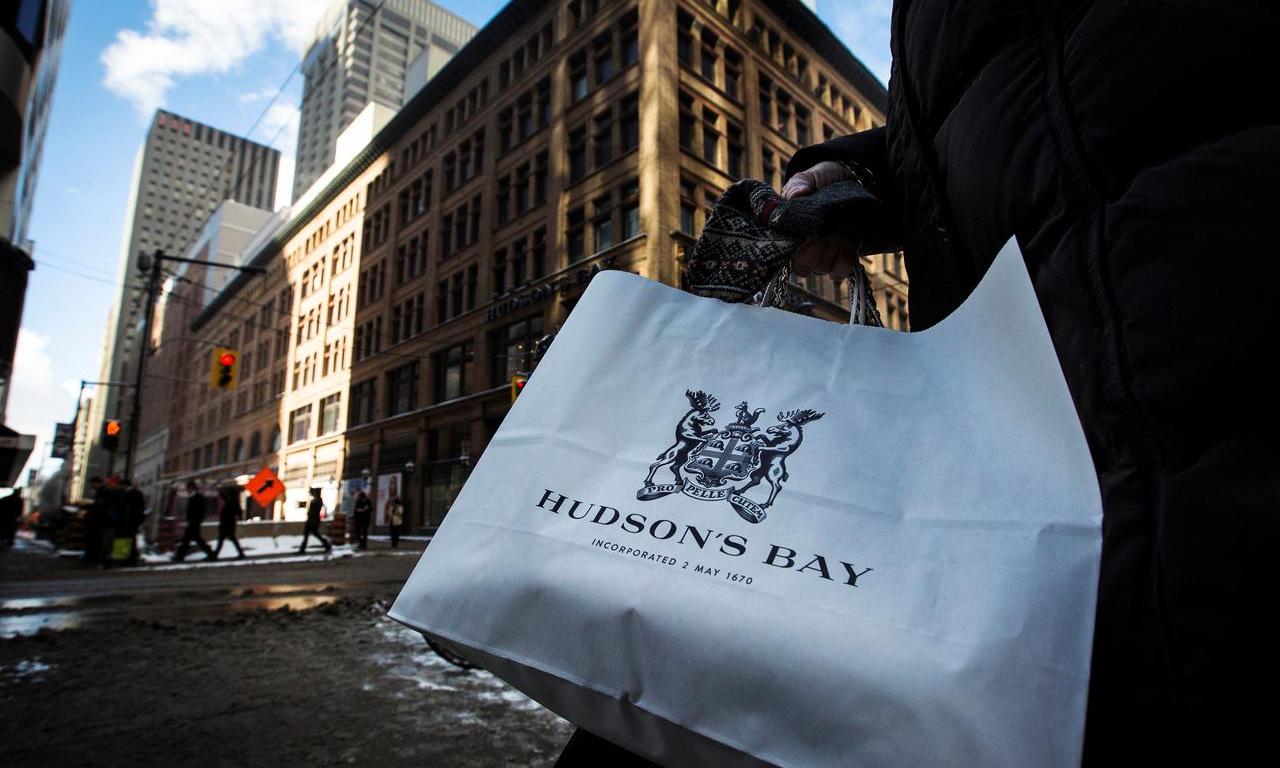
Physical Retailers have been having a hard time for a long while. However, for Hudson’s Bay, so much can change in a week.
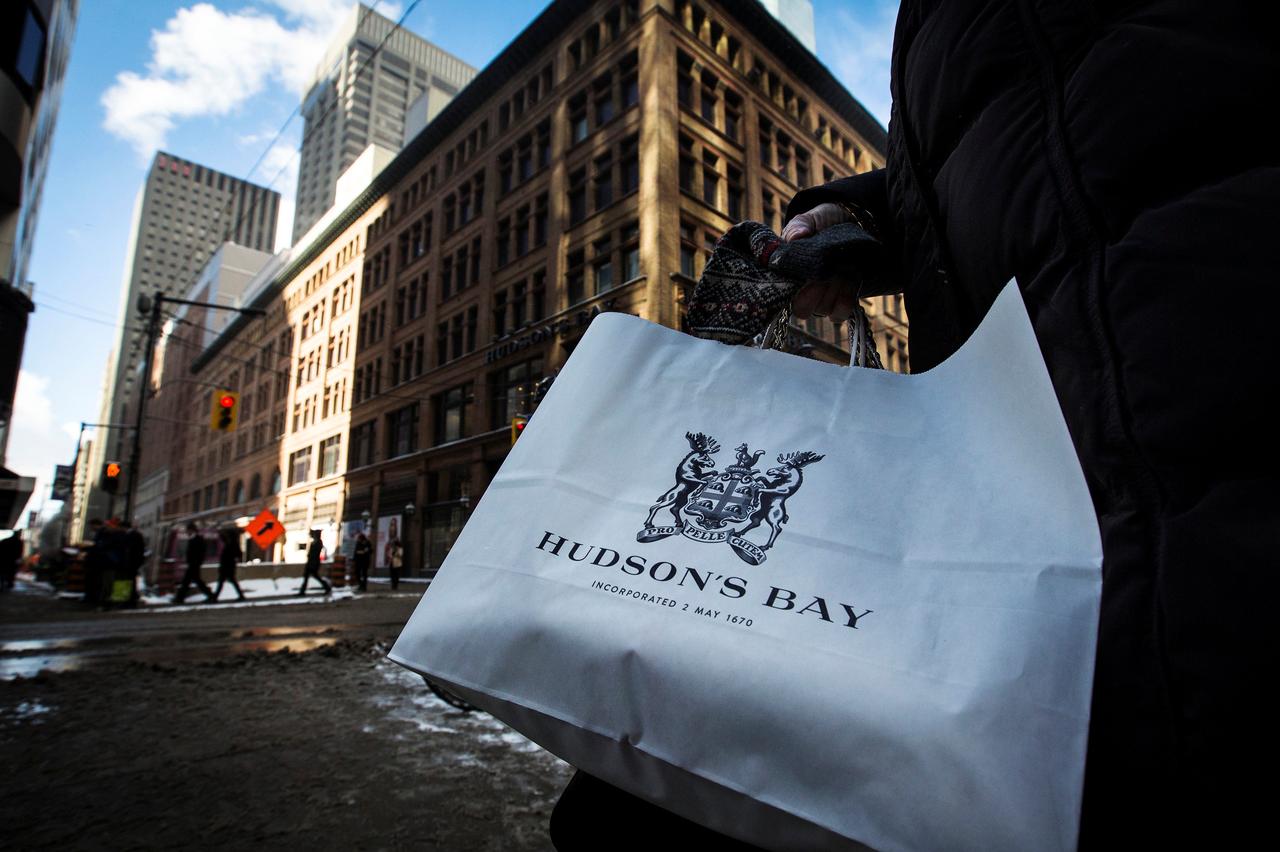
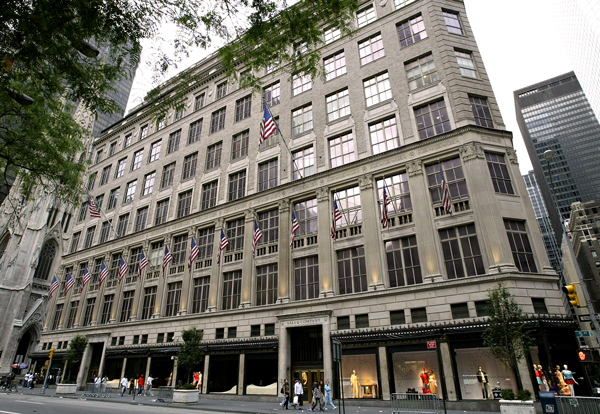
Hudson’s Bay Company is a Canadian based retailer with physical departmental stores in North America and Europe. Their more popular names include Hudson’s Bay, Lord & Taylor, Saks Fifth Avenue. Think of Macy’s in the States, Isetan in Japan or Kaufhof in Germany.
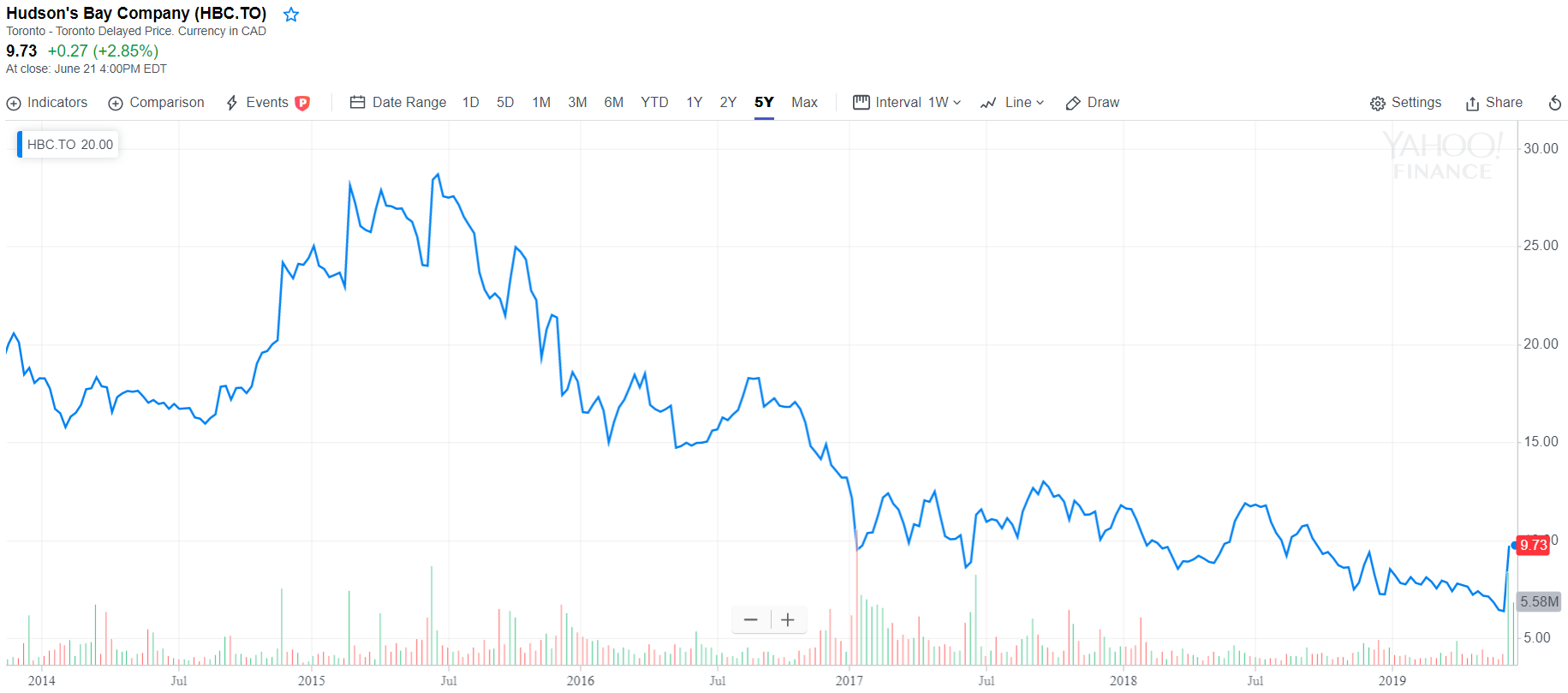
Stock Performance has been dismal. At a peak of around $28 in 2015, their stock traded at a low of $6.50 in the beginning of June of 2019, losing up to 75% of its value. It is no surprise as comparable sales have declined in nine out of 10 quarters. Now, there is light at the end of the tunnel.
Facing
pressure from investors, Richard Baker, the company’s chairman and one-time
CEO, is leading a buyout consortium, which already owns 57% of Hudson’s Bay.
They have made an offer of C$9.45 per share offer for the remainder of the
Canadian company, a 48% premium to where the stock was trading before the
announcement. This would amount to C$1.74 billion (USD1.3 billion).
Strategic moves that Hudson’s Bay Company has made recently
> Closing of its Home Outfitters big-box specialty chain in Canada
> Off-loading of the Gilt.com online business to Rue La La, under parent
company Kynetic
> Sold its Lord and Taylor Flagship Building to Wework for $850 million
> Closed about 15% of its Sak’s Off Fifth stores.
> Previously (June 2018) sold off half of its European department store
division ($1.13 bn), led by Germany’s Kaufhof to Karstadt, its largest
competitor. In June 2019, the full acquisition has been completed for $1.5 bn
CAD which includes its German real estate and retail joint ventures.

These sales and shutdowns reduces their debt and gives the company space to invest in its core businesses. Overall, they have plans to scale back a company that has expanded wildly, piled on debt and has an inordinate number of physical stores.
Unfortunately, the outlook for departmental stores looks bleak. President Donald Trump threatened tariffs on apparel and shoes coming to the US from China, which would mean higher input costs and final prices. Upscale brands are also focused on making their own stores and websites, potentially sapping sales from departmental stores. Lastly, many enclosed malls are having a tough time drawing foot traffic amid changing shopping patterns.
The huge valuation gap is due to disagreements on how much of Hudson’s Bay’s prime real estate can be divested while keeping it operational. Selling off property can raise cash but it makes it financially burdensome to rent space for the stores it operates, it would likely close its stores and shrink its retail footprint.
The question is, should Hudson’s Bay Company investors take the deal?
1) Going private allows Hudson’s Bay to work through their issues out of the spotlight.
2) Learn from Nordstrom, who failed to go private and the shares now are down 35%.
3) The Buyer Consortium which includes Rhone Capital, WeWork Property Advisors, Hanover Investments and Abrams Capital Management – is led by Baker, someone who has a significant history with the company.
4) A better offer is unlikely to come through.
I can understand why Investors might not be happy and reject the deal. Most investors have stuck with the stock for so long, that the $9.45 proposed is far off from its $28 high. Many would not be able to recoup their losses. On top of this, many believe that their properties are being undervalued. One such example is Activist investor Land & Buildings Investment Management, which calls the privatisation at that price woefully inadequate.
Closing thoughts
Lord and Taylor will likely be sold to private equity players with dry powder and access to capital in a low interest rate environment. What will be left will be their namesake department store operation in Canada, Saks Fifth Avenue and the remaining Saks Off Fifth stores. In the end, in a sunset/declining industry, streamlining is the name of the game.

